Latest Blogs
Collagen Explained: Benefits, Types, and Why Hydrolyzed Marine Collagen Is a Game-Changer

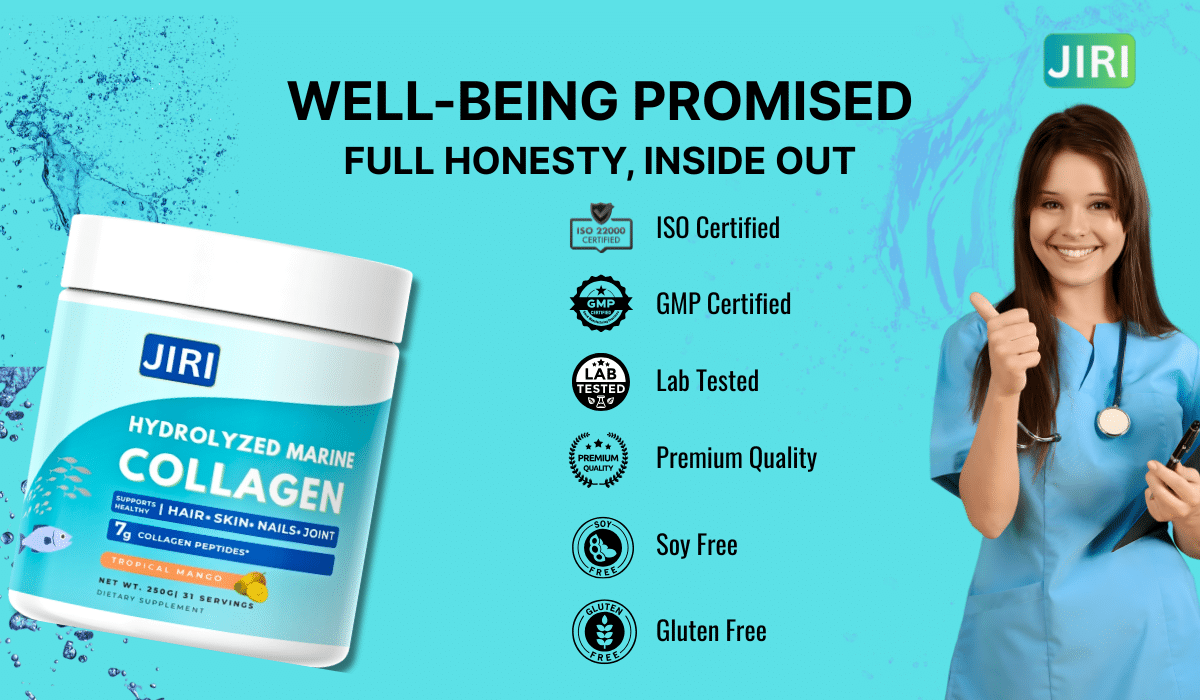
Collagen is a buzzword in the health and beauty world — and for good reason. It’s the most abundant protein in the human body, essential for strong skin, joints, hair, nails, and bones. But as we age, our natural collagen production declines, which is where supplementation can make a big difference.
One form gaining popularity is hydrolyzed marine collagen — a clean, highly absorbable source of this important protein.
Let’s break down what collagen is, the types available, the benefits, and why marine collagen might be your best choice.
What Is Collagen?
Collagen is a structural protein that acts like a “glue” holding your body together. It provides strength and elasticity to:
- Skin
- Hair & nails
- Joints & cartilage
- Bones
- Gut lining
However, after the age of 25–30, our collagen levels begin to decline, leading to signs of aging such as wrinkles, joint stiffness, and brittle nails.
Types of Collagen (and Which Ones Matter Most)
There are 28 types of collagen, but these three are most relevant in supplements:
- Type I: Found in skin, tendons, bones — promotes skin elasticity, bone strength, and hair health.
- Type II: Found in cartilage — supports joint health and mobility.
- Type III: Found alongside Type I in skin, blood vessels — promotes skin hydration and firmness.
Hydrolyzed Collagen vs. Regular Collagen
Hydrolyzed collagen (also called collagen peptides) has been broken down into smaller amino acid chains, making it easier to digest and absorb.
This means your body can use it more efficiently — especially when consumed consistently over weeks or months.
Why Choose Marine Collagen?
Marine collagen is sourced from fish skin or scales, and when hydrolyzed, it offers a clean, highly bioavailable form of Type I collagen — the type most beneficial for skin, hair, and nails.
Key Benefits of Hydrolyzed Marine Collagen:
✅ Supports youthful skin – Reduces fine lines and improves hydration
✅ Strengthens hair and nails – Promotes faster growth and less breakage
✅ Boosts joint and bone health – Helps reduce stiffness and pain
✅ Promotes gut health – Supports the gut lining and digestion
✅ Highly absorbable – Smaller peptides = better uptake than some bovine or porcine sources
✅ Sustainable source – Fish-derived collagen often comes from byproducts, reducing waste
It’s also a great pescatarian-friendly alternative for those avoiding beef or pork products.
When and How to Take Collagen
Best Time to Take It:
There’s no “perfect” time, but taking collagen consistently is key. Some prefer:
- Morning: Mixed into coffee, smoothies, or water
- Post-workout: To support joint and muscle recovery
- Evening: With warm drinks as part of a skin-care routine
How Much to Take:
- 5–10g per day is a typical dose for visible benefits in 4–8 weeks
- Choose a product with no added sugars or fillers, and preferably with Vitamin C to enhance collagen synthesis
Final Thoughts: Is Marine Collagen Worth It?
Absolutely — especially if your main goals are beauty-related (skin, hair, nails) or you want a clean, sustainable collagen source that’s easy on the stomach and well-absorbed.
Whether you’re in your 20s and want to stay ahead of aging, or in your 40s+ aiming to rebuild what’s been lost, hydrolyzed marine collagen can be a simple and effective daily addition to your wellness routine.
Pro Tip: Pair your collagen with a diet rich in whole foods, stay hydrated, and be patient — real results take consistency.